
When I walked into my first MMA gym eighteen months ago, I thought I had a head start. I'd been training kickboxing for three years, competed in a few amateur bouts, had solid cardio and decent hands. How different could MMA be?
Turns out, completely different.
I'm Jay Rodriguez, 29, software engineer in Austin, and I train MMA four to five nights a week now. But getting here required unlearning almost everything I thought I knew about combat sports training. The cardio that worked for kickboxing left me gassed in wrestling rounds. The protection that seemed adequate for striking wasn't built for the chaos of mixed-range fighting. Even my understanding of what "hard training" meant had to be completely rebuilt.
This is what I've learned about the real demands of MMA training and why approaching it like any other combat sport will leave you frustrated, injured, or both.
Kickboxing vs. MMA Training: Why It Felt Like Starting Over
My first real wake-up call came three weeks in.
In kickboxing, I could push five hard three-minute rounds and still feel in control. My coach loved my gas tank. Then I did my first MMA sparring session, two five-minute rounds with strikes and grappling mixed together and I was wrecked before round one was even over.
What I hadn’t understood yet is that MMA isn’t just “striking plus grappling.” It’s the constant switching between them, sometimes several times in the same minute.
A typical exchange for me now looks like this: I’m jabbing at range and feeling steady. My partner shoots a double-leg. I sprawl, fight for underhooks, grind in the clinch, and suddenly we’re on the mat, him sweeping and hunting submissions while I try to pass. I scramble back to my feet, we’re striking again, and my legs already feel like concrete.
That whole sequence might take sixty seconds.
In kickboxing, everything happened at one range with one rhythm. I could read the pace, manage my energy, and stay ahead of what was coming. MMA doesn’t give you that luxury because the effort keeps changing. Striking is sharp, repeatable bursts explode into a combo, reset, explode again. Grappling is different: long, grinding work where you’re tense, squeezing, and fighting for inches. MMA forces you to flip between those two styles of effort over and over, sprawl, clinch, scramble, strike, often in the same minute. That switching is what wrecked my gas tank early on. I was fit for one kind of fight. MMA needed me fit for all of them, back-to-back.
And the transitions are where the collisions live: head clashes on shots, shoulders and elbows in the clinch, knees coming in at awkward angles. It’s a kind of contact you just don’t get in single-discipline sports.
My old kickboxing protection setup wasn’t built for that. I learned it the hard way with a preventable jaw injury three months in that cost me ten days of training but I’ll come back to that.
Common MMA Injuries (and Why They Happen)
About three months into training, I made a mistake that cost me ten days in the gym.
We were doing what I thought was light technical sparring. I skipped my mouthguard because “we weren’t going hard.” My partner shot in, I sprawled, and his elbow clipped my jaw in the scramble, not a big shot, just the wrong collision at the wrong angle. Instant swelling. Ten days off. Completely preventable.
That injury pushed me to look into MMA injury patterns, and one thing stood out: most injuries happen in training, not fights, simply because you spend so much more time in the gym. And they’re predictable. Striking-heavy sessions tend to produce impact injuries, hands, wrists, faces, teeth. Grappling-heavy work creates more torsion and compression problems, neck, shoulders, knees, ribs, ears, fingers. The transition moments are the messiest: head clashes, awkward scrambles, ground-and-pound collisions. That’s exactly where I got hurt.
The culture doesn’t always help. In a lot of gyms, “tough” still gets confused with skipping protection or going hard too often. Add a full-time job and uneven recovery, and small mistakes turn into missed weeks.
After that jaw injury, I had to get smarter about protection.
What Protection Every MMA Fighter Should Use
My kickboxing protection setup was simple: boxing gloves, hand wraps, shin guards, mouthguard. That was adequate for striking-only training.
For MMA? Completely insufficient.
Here's what's in my bag now for every session:
Mouthguard – Non-negotiable, every session, even "light" drilling. I learned this one the expensive way. The guard needs to stay in during heavy breathing, wrestling scrambles, and allow communication with training partners.
Hand wraps + two glove setups – I wrap every session for wrist support. For integrated MMA rounds I use 7–8 oz MMA sparring gloves so I can strike and grapple safely. For striking-only sparring days, we sometimes use 14–16 oz boxing gloves to reduce cuts and hand damage. I don’t borrow gym gloves anymore.
Shin guards – Any session with kicks. Protect you and your partners from bone bruising and cuts.
Groin protection – Quality cup, every session. Accidental low blows happen constantly in MMA - missed kicks, knees during scrambles, awkward positions during grappling.
Knee supports – I have some pre-existing issues. Compression sleeves give stability without limiting mobility during wrestling.
Ear guards – Critical if you're grappling multiple times per week. Cauliflower ear requires drainage or surgery in severe cases.
Headgear (selective) – I use it during hard striking sparring days. Some coaches hate it, some recommend it. I follow my coach's guidance based on the session intensity.
The key difference from my kickboxing days: I’m consistent about the non-negotiables and intentional about the rest. Mouthguard and groin protection are always in; headgear depends on the sparring plan.
Why MMA Fighters Need Mouthguards
I thought my basic boil-and-bite mouthguard from my kickboxing days would be fine for MMA. It wasn't.
The demands are completely different. In kickboxing, I needed protection from punches and kicks, predictable striking impacts. I could anticipate when I might get hit. The guard just needed to stay in during striking exchanges.
In MMA, dental trauma happens in situations I never anticipated:
-
Training partner's shoulder driving into my jaw during a scramble (this is what got me)
-
Head clashes during takedown attempts
-
Accidental collisions during grappling transitions
-
Ground-and-pound from top position, where your jaw can be compressed against the canvas
-
Clinch work where elbows and knees fly in close quarters
The mouthguard needs to stay locked in through wrestling scrambles, heavy breathing during grappling exchanges, and constant position changes. It needs to allow communication. I have to talk to training partners and coaches between rounds without removing it.
My cheap boil-and-bite guard was bulky, got loose during wrestling, and restricted my breathing during hard rounds. I was constantly adjusting it or taking it out.
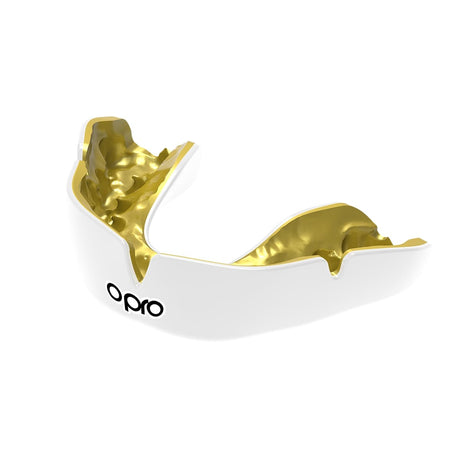
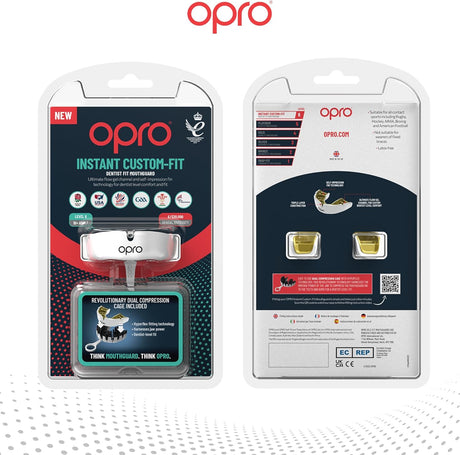
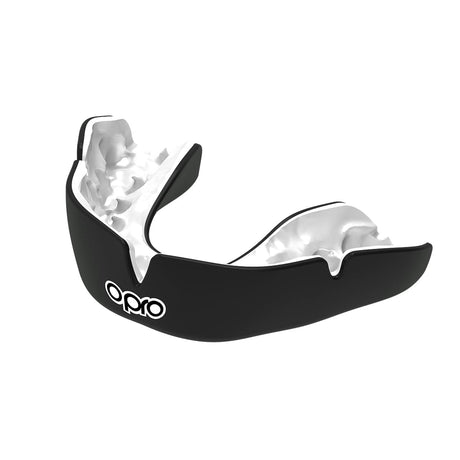
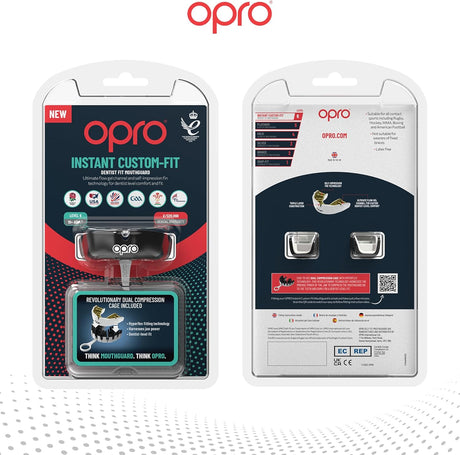
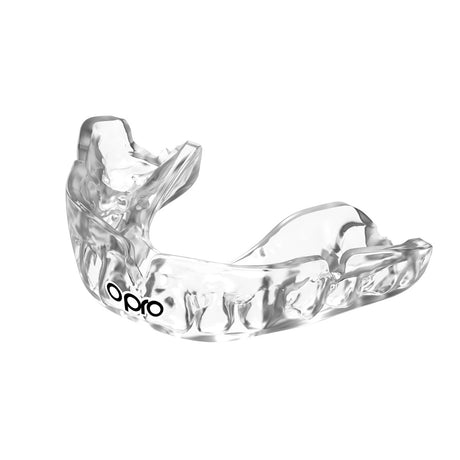
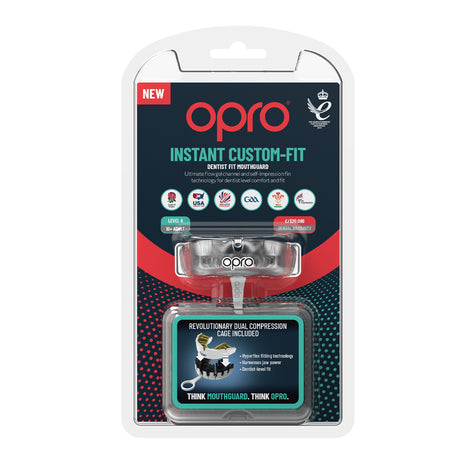
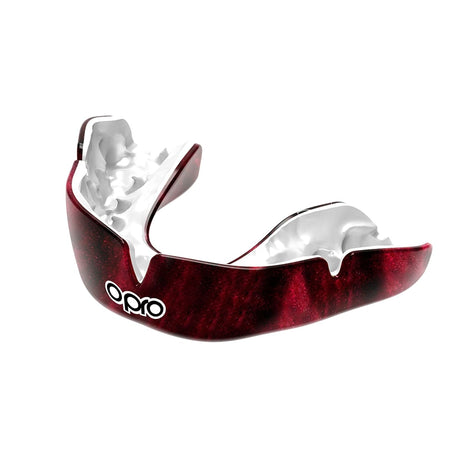
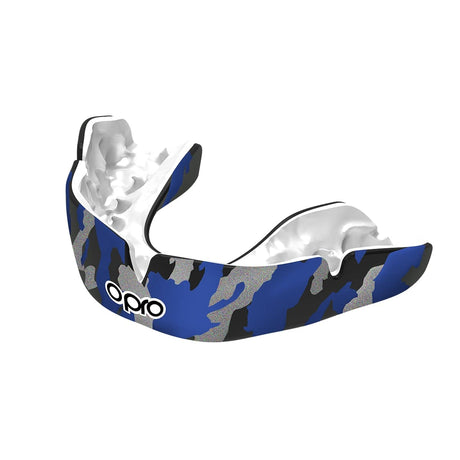
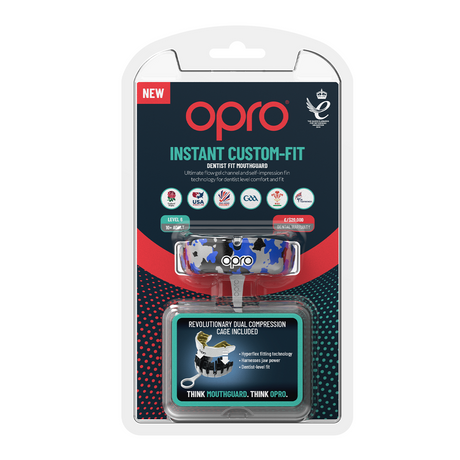
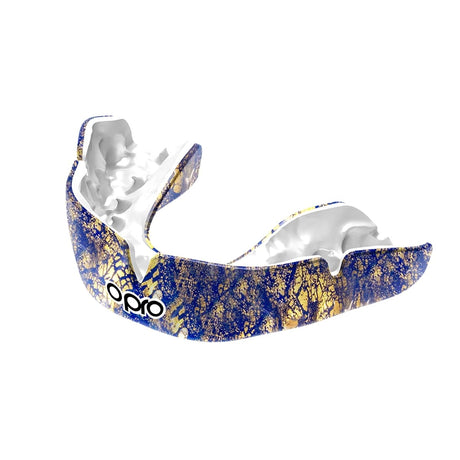
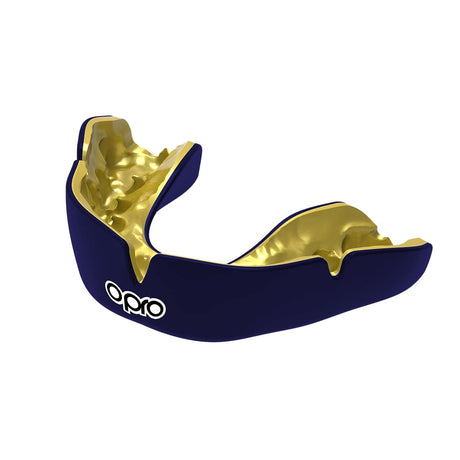
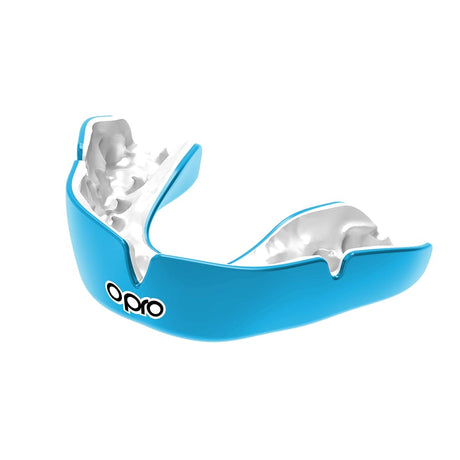
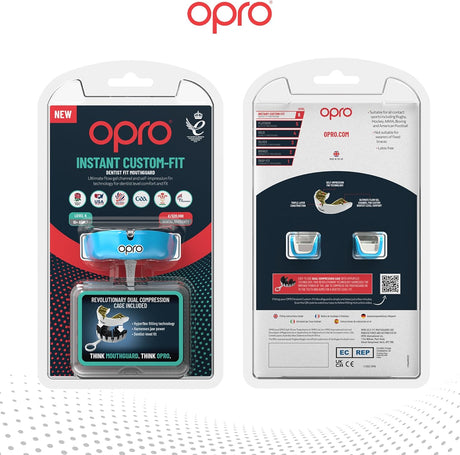
After my injury, I researched proper MMA mouthguards. I learned that OPRO is an Official Licensed Mouthguard partner of the UFC, a relationship that’s been in place for years. What caught my eye was the UFC x OPRO Tom Aspinall Instant Custom-Fit. It’s Aspinall’s edition, and it’s made for the way MMA actually feels in training.
How to Choose the Best Mouthguard for MMA
When I was shopping for a proper MMA mouthguard, I had specific criteria based on what failed with my old guard:
Secure fit under breathing demands – It needs to stay in when I'm sucking wind after a hard wrestling round. My old guard would get loose when I was breathing heavily through my mouth.
Minimal bulk for speaking and breathing – I need to communicate with training partners. I need to breathe efficiently during scrambles. Excessive thickness restricts both.
High impact absorption – Thick enough in critical areas (front teeth, molars) to absorb and distribute impact forces. But thickness alone doesn't equal protection, material composition matters more.
Stability during grappling scrambles – This is where most guards fail MMA athletes. A guard designed only for boxing might fit well for striking but become dislodged during wrestling. The design needs to account for jaw movements during takedown defence and ground work.
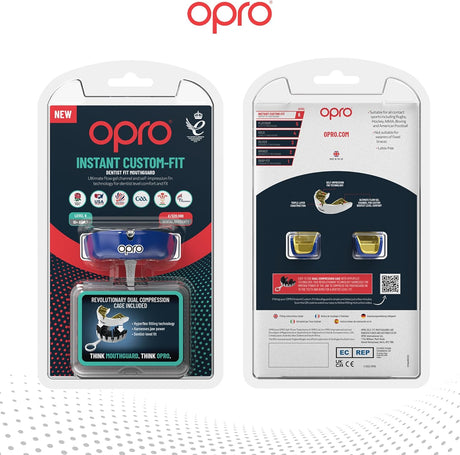
I looked at three routes: a basic boil-and-bite, a dentist custom, or an instant custom-fit system. I went with the UFC x OPRO Tom Aspinall Instant Custom-Fit because it checked every box in actual training.
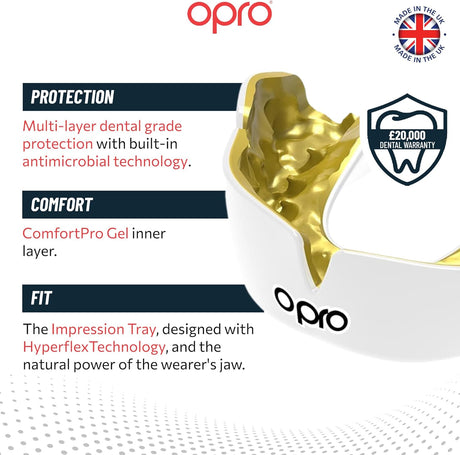
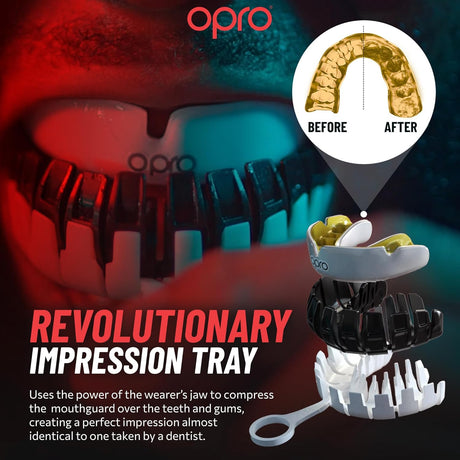
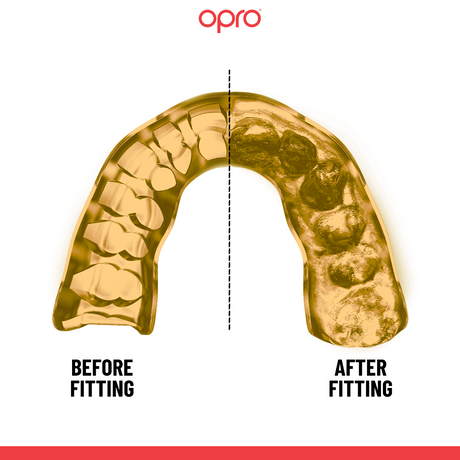
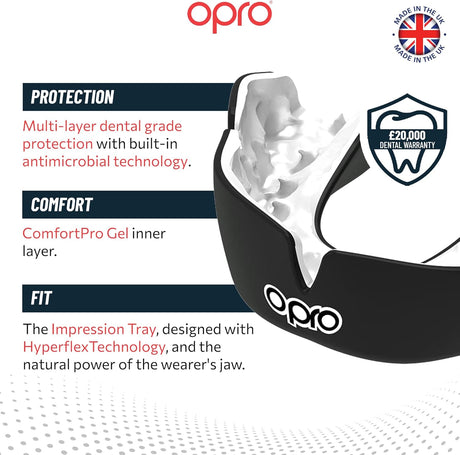
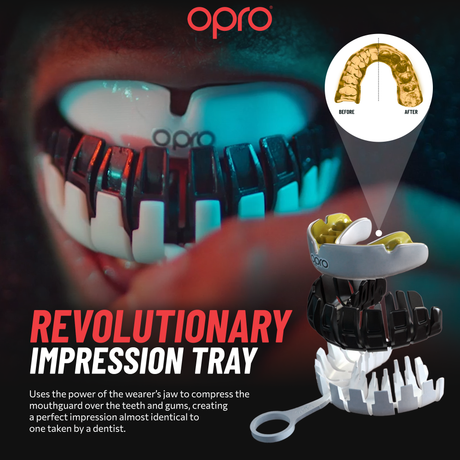
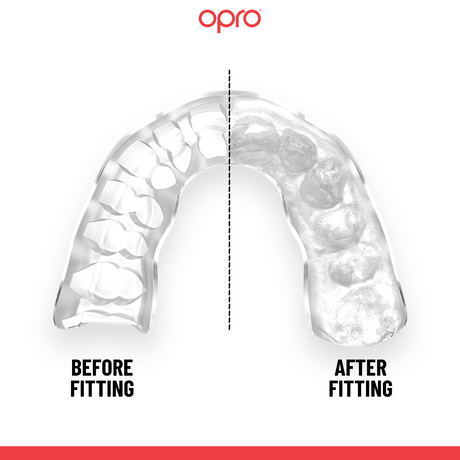
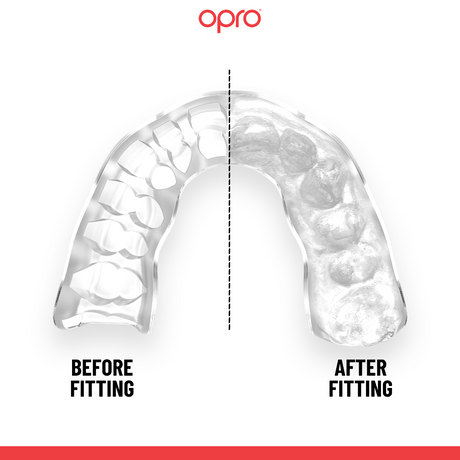
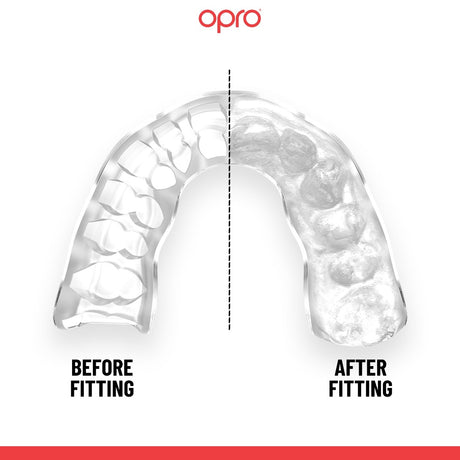
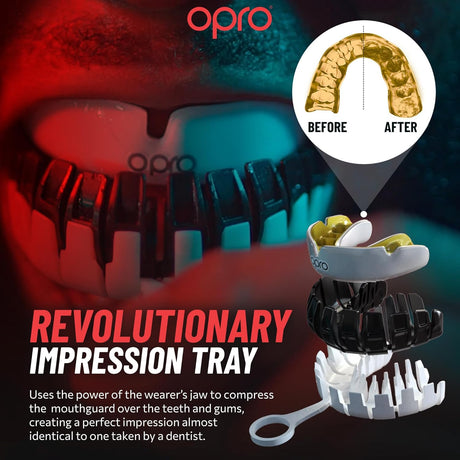
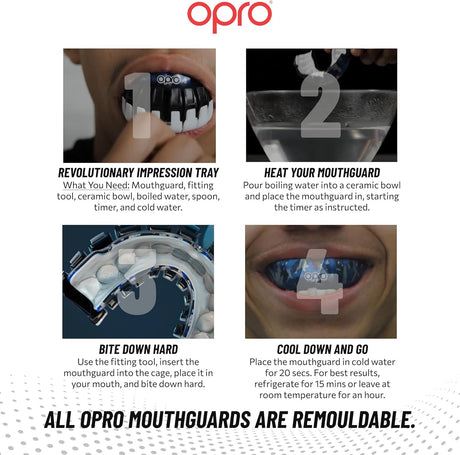
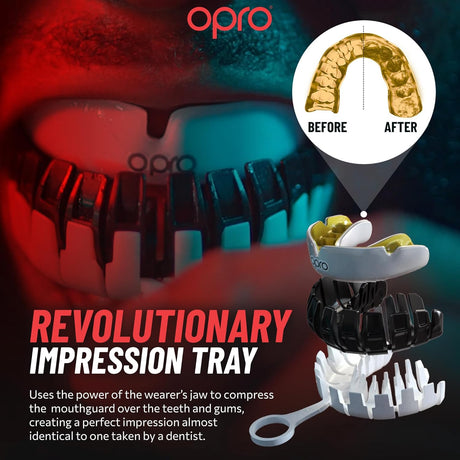
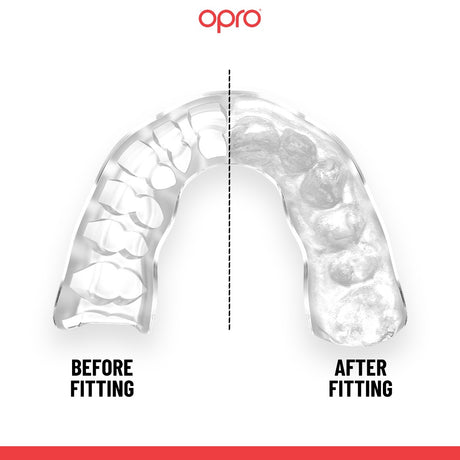
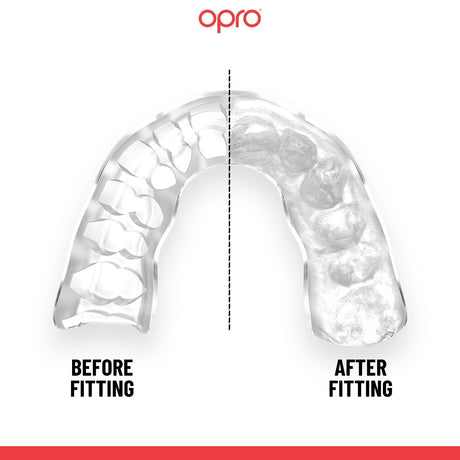
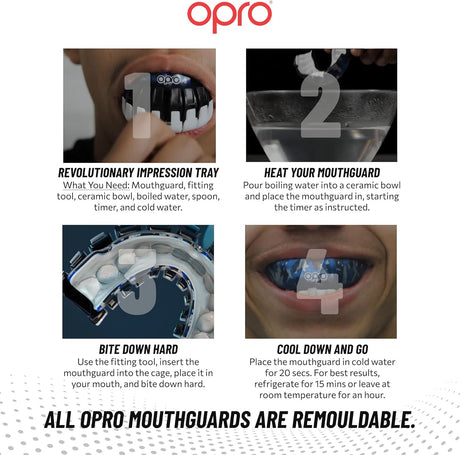
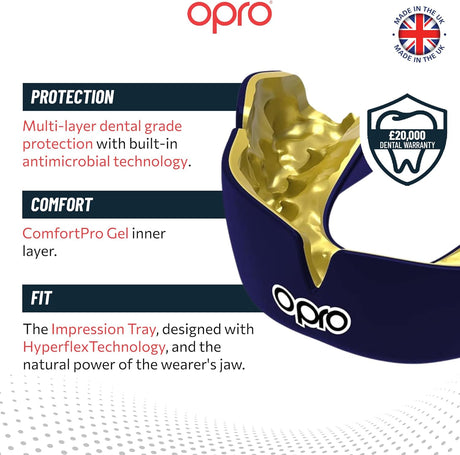
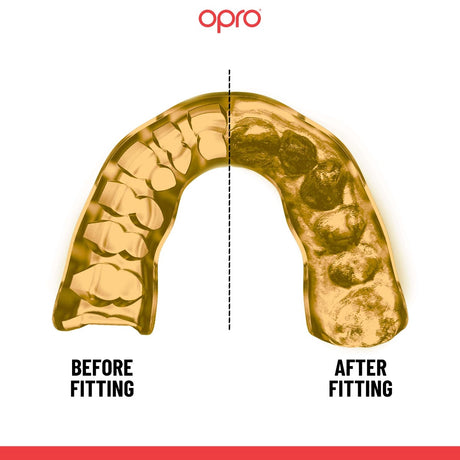
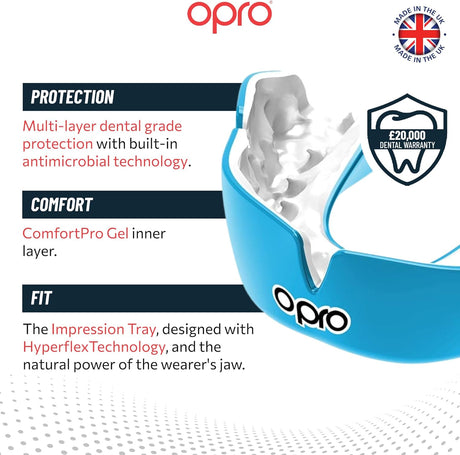
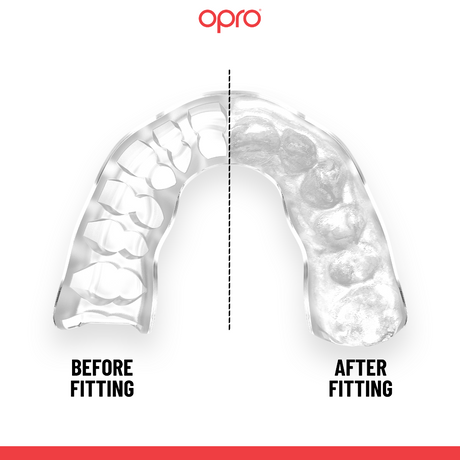
The Instant Custom-Fit uses OPRO’s fitting cradle/compression system to mold a secure fit in minutes without a dentist visit. That lock-in is what keeps it seated through scrambles and lets me breathe hard without adjusting it. It’s padded where you need it, streamlined where you don’t, and the retention holds even when my jaw shifts in takedown defence. The antimicrobial protection is a bonus, because this thing lives in a sweaty gym bag.
One important reality check: mouthguards don’t prevent concussions. What they reliably do is reduce dental trauma and jaw injuries, and maybe blunt some shock. That’s the honest standard.
A Simple Protection Plan for MMA Athletes Training 4–5 Days a Week
After that jaw injury, I stopped chasing maximum volume and started chasing sustainable progress. The structure that’s worked for me is simple: two hard days a week, everything else technical or moderate, and protection never negotiable.
-
One hard striking day (full gear, limited rounds)
-
One hard grappling day (wrestling/scrambles, ear guards, mouthguard)
-
Two lighter skill days to sharpen technique while recovering
-
One mixed/integration day at controlled intensity
-
Weekend recovery (mobility, light drilling, or full rest)
Rules I don’t break anymore:
-
Never skip protection because a session “seems light”
-
Two hard days max per week
-
Mouthguard in for any partner work
-
Address pain early
-
Recovery is training, not optional
Since doing this, I haven’t missed time to preventable injury and progress feels steady instead of stop-start.
How to Train MMA Safely Long-Term
The biggest lesson from my kickboxing-to-MMA transition: these are fundamentally different sports that require different approaches to training, conditioning, and protection.
What worked for striking-only training doesn't translate directly to MMA. The energy system demands are different. The injury patterns are different. The protection requirements are different. The recovery needs are different.
Many MMA gyms equate "tough" with "ignoring protection" or "always going hard." I bought into that for my first few months. But talking to fighters who've sustained actual careers at regional and professional levels taught me differently: the toughest fighters are the ones still training consistently five years from now.
Using proper protection every session isn't weakness. Balancing hard training with technical work and recovery isn't soft. Your mouthguard and protective equipment aren't signs you can't handle the sport, they're tools that let you stay healthy enough to progress.
No equipment eliminates injury risk completely. Smart training culture, qualified coaching, and knowing when to dial back intensity matter as much as gear. But when you're training four to five sessions per week, proper protection is the baseline that makes everything else possible.
If you're experiencing persistent pain, unusual swelling, or injuries that won't heal properly, talk to your coach. Consider seeing a sports medicine professional. The goal is a long, productive training career not proving how much punishment you can absorb in the short term.
For athletes serious about MMA, the investment in quality protection pays dividends every session. You're already putting in the work. Make sure you're protected well enough to see the results.
About OPRO: An Official Licensed Mouthguard partner of the UFC for years, OPRO has been protecting athletes at the highest levels of combat sports for over 25 years. The UFC x Tom Aspinall Instant Custom-Fit mouthguard is part of their latest evolution in protection designed for modern MMA demands.